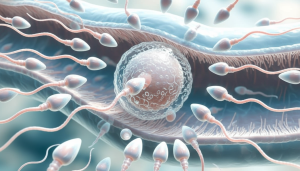
THE EGG LIVES FOR ONLY 24 HOURS… BUT SP€RM CAN SURVIVE FOR 5 DAYS
Have you ever wondered how pregnancy can happen even if intercourse doesn’t occur exactly on the day of ovulation? The answer lies in a fascinating difference between how long an egg and sperm can survive inside the body.
When a woman ovulates, her ovary releases a mature egg. This egg has a very short lifespan—typically about 12 to 24 hours. If it isn’t fertilized during that brief window, it simply breaks down and is absorbed by the body. This means the egg’s opportunity for fertilization is extremely limited.
Sperm, on the other hand, are much more resilient than most people think. Once inside the female reproductive system, sperm can survive for up to 5 days under the right conditions. The cervical mucus around ovulation helps protect and nourish them, allowing them to stay alive while waiting for an egg to appear.
This difference creates what is known as the fertile window. Even if intercourse happens several days before ovulation, sperm may still be alive and ready when the egg is released. That’s why pregnancy can occur even if the timing doesn’t seem exact.
Understanding this timing is important for both those trying to conceive and those trying to avoid pregnancy. The most fertile days are usually the 3–5 days before ovulation and the day of ovulation itself. Outside of this window, the chances of pregnancy drop significantly, but they are not always zero.
In simple terms:
- The egg lives for about 1 day
- Sperm can live for up to 5 days
- This overlap creates a fertile window of several days
This natural timing is the reason why tracking cycles, ovulation signs, or using protection is so important depending on your goals.