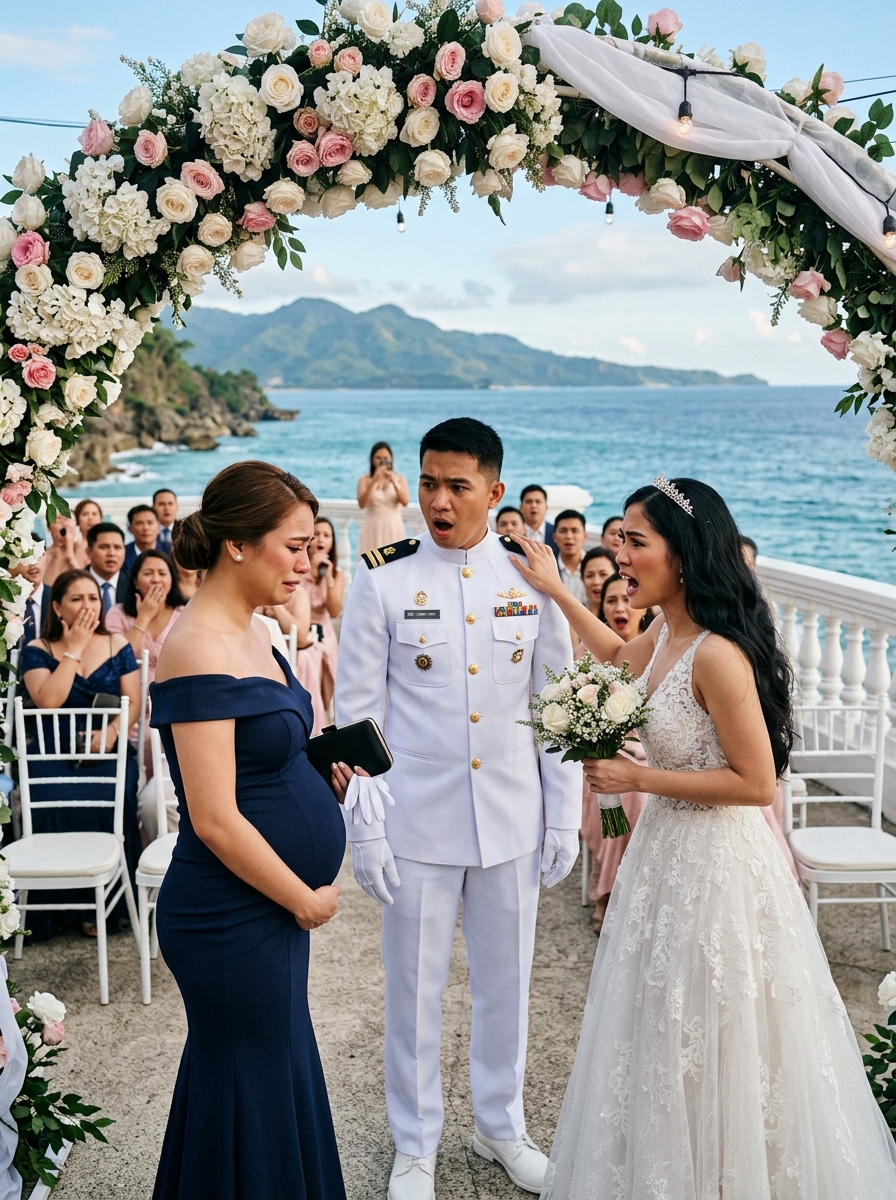
PINAUPO AKO NG AKING INA SA KADULU-DULUHAN NG LAMESA SA SIKRETONG ENGAGEMENT DINNER NG AKING KAPATID—NGUNIT TUMAHIMIK ANG LAHAT NANG TUMAYO NANG TUWID ANG KANYANG FIANCÉ AT TINAWAG AKONG “MADAME!”
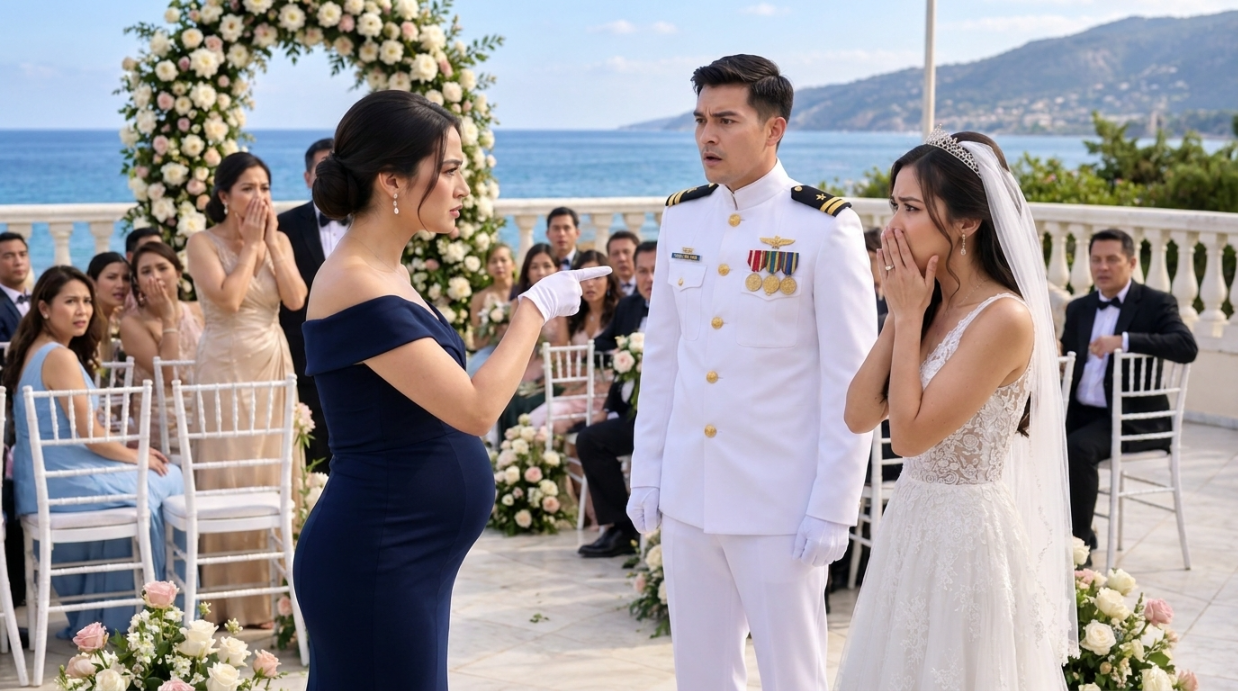
PINAUPO AKO NG AKING INA SA KADULU-DULUHAN NG LAMESA SA SIKRETONG ENGAGEMENT DINNER NG AKING KAPATID—NGUNIT TUMAHIMIK ANG LAHAT NANG TUMAYO NANG TUWID ANG KANYANG FIANCÉ AT TINAWAG AKONG “MADAME!”
I. Ang Anino ng Isang Perpektong Kapatid
Mula pa noong bata ako, malinaw na kung sino ang bituin sa aming pamilya at kung sino ang alikabok sa ilalim ng basahan. Ako si Maya, ang panganay, ngunit sa paningin ng aking inang si Senyora Carmela, ako ang pinakamalaking pagkakamali ng kanyang buhay. Ang aking nakababatang kapatid na si Isabella ang kanyang paborito—ang “golden child,” ang maganda, ang pino, at ang palaging nag-uuwi ng mga medalya mula sa mga beauty pageants at high-society events.
Habang si Isabella ay palaging nakasuot ng mga designer dresses at pinapadala sa mga mamahaling bakasyon, ako naman ay naiwan sa bahay, pinipilit na mag-aral at magtrabaho nang tahimik. Nang makatapos ako ng kolehiyo, pinalayas ako ng aking ina. Sabi niya, “Wala kang mararating, Maya. Masyado kang matigas ang ulo at walang ambisyon sa buhay. Tingnan mo ang kapatid mo, nakatakdang magpakasal sa isang bilyonaryo!”
Kaya lumisan ako. Sa loob ng walong taon, hindi ako humingi ng kahit isang sentimo sa kanila. Sa paningin ng aking ina at ni Isabella, isa lamang akong hamak na empleyado na nagtatrabaho sa isang maliit na kumpanya, nabubuhay sa kakarampot na sweldo, at pilit na itinatago ang sarili sa kahihiyan.
Ngunit ang hindi nila alam, sa loob ng walong taong iyon, itinayo ko ang aking sariling imperyo mula sa wala. Ako ang lihim na nagtatag at Majority Shareholder ng Vanguard Global Holdings, isa sa pinakamalaking investment at real estate conglomerate sa bansa at sa buong Asya. Ako ay namumuhay sa ilalim ng radar, iniiwasan ang media, at gumagamit ng mga kinatawan upang patakbuhin ang aking negosyo. Ako ang reyna ng isang kahariang hindi nila kailanman maiisip.
II. Ang Imbitasyon at Ang Pagkikita
Isang araw, nakatanggap ako ng isang mensahe mula sa aking ina. Isang malamig at maikling text: “Umuwi ka bukas ng gabi. May mahalagang dinner tayo sa The Grand Sovereign Hotel. Mag-ayos ka naman ng sarili mo para hindi ka namin ikahiya. Mag-e-engage na ang kapatid mong si Isabella sa bilyonaryong CEO ng Horizon Enterprises.”
Napangiti ako nang tipid nang mabasa ko ang mensahe. Ang Horizon Enterprises ay isang malaking kumpanya na kamakailan lamang ay binili ng Vanguard Global—ang aking kumpanya. Ang CEO na tinutukoy nila, si Alexander, ay isang matalino at masipag na lalaki na personal kong hinirang at inilagay sa posisyon noong nakaraang buwan upang pamahalaan ang sangay na iyon. Si Alexander ay direktang nagre-report sa akin.
Naisip kong hindi pumunta, ngunit may kung anong nag-udyok sa akin na saksihan ang kayabangan ng aking pamilya. Gusto kong makita kung gaano sila kagalak sa ilusyong sila ang naghahari sa mundo.
Kaya naghanda ako. Hindi ako nagsuot ng mga kumikinang na dyamante o sobrang magarbo at mapansin na gown. Nagsuot lamang ako ng isang simpleng itim na silk dress na yari ng isang sikat na designer sa Paris, at pinaresan ko ito ng isang maliit ngunit napakamahal na relo. Simple, ngunit sumisigaw ng tunay na kapangyarihan para sa mga taong nakakaalam.
III. Ang Kadulu-duluhan ng Lamesa
Nang dumating ako sa The Grand Sovereign Hotel—ang pinaka-eksklusibo at pinakamahal na hotel sa siyudad na, sa hindi sinasadyang pagkakataon, ay pagmamay-ari rin ng aking kumpanya—agad akong pumasok sa private VIP dining room na pina-reserve ng aking ina.
Pagpasok ko, nandoon na ang buong angkan. Naroon ang mga tiyahin at tiyuhin kong matapobre, si Isabella na nakasuot ng isang kumikinang na pulang gown na tila a-attend ng Oscars, at ang aking inang si Senyora Carmela na puno ng alahas sa leeg.
Nang makita ako ng aking ina, agad na umasim ang kanyang mukha.
“Nandito ka na pala,” malamig na bati niya, pinasadahan ng tingin ang aking simpleng itim na damit. “Sabi ko mag-ayos ka. Mukha kang pupunta sa burol. At ano iyang suot mo? Wala bang kulay ang wardrobe mo?”
“Magandang gabi rin po, Ma,” mahinahon kong sagot, hindi pinapansin ang kanyang insulto.
Lumapit si Isabella, may pilit na ngiti sa kanyang mga labi. “Ate Maya! Buti naman nakapag-leave ka sa maliit mong trabaho. Nasaan na pala ang boyfriend mo? Ah, oo nga pala, wala ka palang oras sa ganyan dahil palagi kang naghahabol ng sweldo.”
Nagtawanan ang mga kamag-anak namin. Sanay na ako sa ganitong eksena.
“Maupo ka na doon sa dulo,” utos ng aking ina, itinuturo ang pinakadulong upuan sa mahabang lamesa. Ang upuang iyon ay malapit sa pinto ng kusina, malayo sa sentro ng atensyon, at halos nakahiwalay sa buong pamilya. Iyon ang upuan para sa mga taong walang halaga sa okasyon.
“Doon ang pwesto ng mga hindi VIP,” pabulong ngunit rinig na rinig na dugtong ng isang tiyahin ko.
Wala akong sinabi. Dahan-dahan akong naglakad patungo sa dulo ng lamesa at tahimik na naupo. Pinanood ko silang magkasiyahan, magpayabangan, at magplano tungkol sa kasal na tila sila na ang pinakamayamang pamilya sa buong bansa.
IV. Ang Pag-aantay sa ‘Hari’
“Malapit na si Alexander,” kinikilig na anunsyo ni Isabella habang nagre-retouch ng kanyang lipstick gamit ang isang maliit na salamin. “Galing pa siya sa isang napakahalagang board meeting. Alam niyo ba, ang Horizon Enterprises ay binili ng pinakamalaking kumpanya sa Asya! At si Alexander ang piniling CEO! Napakayaman at napakapangyarihan ng mapapangasawa ko.”
“Kaya nga napakaswerte natin,” pagmamalaki ni Senyora Carmela, sabay sulyap sa akin nang may pandidiri. “Hindi tulad ng iba diyan na tatandang dalaga at walang mararating. Sana man lang, Maya, ay matuto kang gumalang at huwag magsasalita mamaya kapag nandito na si Alexander. Ayokong mapahiya kami sa kanya dahil sa kakulangan mo sa klase.”
“Opo, Ma. Hindi ako iimik,” kalmado kong sagot habang sumisimsim ng tubig.
Ilang minuto pa ang lumipas, bumukas ang malalaking double doors ng private room. Pumasok ang apat na bodyguards na nakasuot ng itim, na sinundan ng isang matangkad, makisig, at seryosong lalaki. Ito ay si Alexander. Suot niya ang kanyang signature na dark blue Armani suit, mukhang pagod ngunit nananatiling kagalang-galang.
Agad na nagsitayuan ang buong pamilya, tila mga alipin na sumasalubong sa kanilang hari.
“Alexander, mahal ko!” patakbong lumapit si Isabella at kumapit nang mahigpit sa braso ng lalaki.
“Magandang gabi, Alexander. Halika, umupo ka rito sa kabisera. Kami na ang nag-order ng pinakamahal na alak para sa iyo,” pambobola ng aking ina habang itinu-turo ang upuan sa sentro, malayo sa aking pwesto.
V. Ang Sandali ng Katotohanan
Ngumiti nang pormal si Alexander sa aking ina at kay Isabella. “Maraming salamat, Senyora Carmela. Isabella. Pasensya na at nahuli ako, kailangan kong i-finalize ang quarterly report para sa aking… Boss.”
“Naku, naiintindihan namin! Napakasipag mo talaga. Kaya siguradong mas lalo pang lalaki ang kumpanya mo!” sagot ng ina ko. “Halika na, maupo ka na.”
Nagsimulang maglakad si Alexander patungo sa kabisera. Habang naglalakad siya, awtomatikong iginala niya ang kanyang paningin sa buong silid upang magbigay-galang sa mga bisita. Tiningnan niya ang mga tiyuhin, mga tiyahin, hanggang sa… huminto ang kanyang mga mata sa kadulu-duluhang bahagi ng lamesa, malapit sa pinto ng kusina.
Nag-tama ang aming paningin.
Nakatayo lang ako roon, hawak ang aking wine glass, at tipid na nakangiti sa kanya.
Sa isang iglap, tila tumigil ang pag-ikot ng mundo ni Alexander. Nawala ang kulay sa kanyang mukha. Ang kanyang pormal na ngiti ay biglang napalitan ng matinding gulat, kaba, at lubos na paggalang. Binitawan niya ang braso ni Isabella.
“Alexander? Anong problema?” nagtatakang tanong ni Isabella.
Hindi siya pinansin ni Alexander. Sa halip, inayos ni Alexander ang kanyang coat, tumayo nang sobrang tuwid na tila isang sundalo, at mabilis na naglakad palagpas sa aking ina at kay Isabella. Naglakad siya patungo sa dulo ng lamesa, sa mismong harapan ko.
Pagdating niya sa harap ko, yumuko siya nang halos siyamnapung degree. Isang napakalalim na bow na ginagawa lamang para sa pinakamataas na uri ng tao sa mundo ng negosyo.
Nang iangat niya ang kanyang ulo, nanginginig ang kanyang boses ngunit puno ng matinding respeto nang siya ay magsalita.
“Madame Maya… hindi ko po alam na nandito kayo. Patawarin po ninyo ako sa aking kakulangan ng pag-abiso. Kung alam ko lang po na dadalo kayo, ako na po sana ang sumundo sa inyo.”
Bumagsak ang katahimikan sa buong silid.
Walang ni isang nakapagsalita. Ang mga bibig ng aking mga tiyahin ay nakanganga. Ang mata ng aking ina ay halos lumabas sa gulat. At si Isabella… tila siya naging isang tuod na hindi makagalaw.
VI. Ang Pagbagsak ng Ilusyon
“M-Madame…?” nauutal na basag na boses ng aking ina. “Alexander… a-anong ibig mong sabihin? Si Maya? T-Tinatawag mong Madame ang walang kwentang anak ko?!”
Agad na lumingon si Alexander sa aking ina. Ang kanyang mga mata, na kanina ay magalang, ngayon ay nag-aapoy sa galit dahil sa salitang ginamit ng aking ina.
“Senyora Carmela, hinihiling ko po na mag-ingat kayo sa inyong pananalita,” matalim at awtoritatibong sagot ni Alexander, ang boses ay umaalingawngaw sa tahimik na kwarto. “Ang babaeng tinatawag ninyong walang kwenta ay ang Founder, Owner, at Majority Shareholder ng Vanguard Global Holdings. Siya ang nagmamay-ari ng Horizon Enterprises. Siya ang nagmamay-ari ng hotel na pinagkakainan natin ngayon. At siya… siya ang aking Boss. Lahat ng meron ako, lahat ng kapangyarihang ipinagmamalaki ninyo sa akin, ay pagmamay-ari niya.”
Kung kanina ay tahimik, ngayon ay tila nawalan na ng hangin ang buong kwarto.
Gumuho ang mundo ni Isabella. Binitawan niya ang kanyang mamahaling bag at napahawak sa upuan upang hindi matumba. “H-Hindi totoo ‘yan… P-Paano? Ang ate ko… ay isang simpleng klerk lang…”
Tinawanan ko sila nang mahina. Isang tawang puno ng kumpiyansa at kalayaan. Ibinaba ko ang aking wine glass at dahan-dahang tumayo mula sa “upuan ng mga walang halaga.”
“Magandang gabi, Alexander. Huwag kang mag-alala, hindi ako nandito para sa negosyo. Nandito ako dahil inimbita ako ng pamilya ko upang saksihan ang… tagumpay ninyo,” kalmado kong wika, habang inililipat ang aking paningin sa aking ina na ngayon ay nanginginig at namumutla na parang nakakita ng multo.
VII. Ang Huling Hukom
Naglakad ako patungo sa gitna ng lamesa. Bawat hakbang ng aking takong sa marmol na sahig ay tila martilyong bumabaon sa kanilang mga matapobreng kaluluwa.
“M-Maya… anak…” nanginginig na tawag ng aking ina, pilit na inaabot ang aking kamay, ngunit mabilis akong umiwas.
“Huwag ninyo akong tawaging anak ngayon, Ma,” malamig kong sagot. “Kanina lang, ako ang itim na tupa. Kanina lang, pinaupo ninyo ako sa tabi ng kusina dahil baka ikahiya ninyo ako. Huwag ninyong baguhin ang ihip ng hangin dahil lang nalaman ninyong hawak ko ang pisi ng buhay ninyo.”
Bumaling ako kay Isabella na ngayon ay umiiyak na sa kahihiyan.
“Congratulations sa engagement mo, Isabella. Nakuha mo nga ang bilyonaryong CEO. Pero sana malinaw na sa iyo ngayon, na ang asawa mo ay nagtatrabaho lamang para sa kapatid mong itinapon at minaliit ninyo.”
Lumingon ako kay Alexander, na nananatiling nakatayo nang tuwid, naghihintay ng aking utos.
“Alexander, ipagpatuloy niyo ang inyong hapunan. Enjoy your night. As for the bill of this entire engagement party…” Tumingin ako sa aking ina at binigyan siya ng isang matamis ngunit nakakamatay na ngiti. “…bayaran niyo nang buo. Pagkatapos ng lahat, kayo naman ang nag-imbita, hindi ba?”
Hindi ko na hinintay ang kanilang sagot. Tumalikod ako at naglakad palabas ng private room, hawak ang aking dignidad, ang aking kapangyarihan, at ang katotohanang hindi ko kailanman kailangan ng kanilang pagkilala.
Habang naglalakad ako sa hallway ng sarili kong hotel, napangiti ako sa hangin. Minsan, ang pinakamatamis na paghihiganti ay hindi ang pagsigaw o pag-iyak. Ito ay ang pag-upo nang tahimik sa dilim, habang pinapanood silang bulagin ang kanilang mga sarili sa liwanag, hanggang sa saksihan nila ang pag-usbong ng tunay na reyna.