
Evidence-Based Treatments for Hives
1. Antihistamines
First-line treatment usually involves non-drowsy antihistamines such as cetirizine or loratadine. These block histamine, reducing itching and swelling.
2. Prescription Medications
If symptoms are not controlled by standard antihistamines, your doctor may prescribe stronger options or a combination of medications, including:
- Hydroxyzine or diphenhydramine (used at bedtime)
- Montelukast (a leukotriene receptor antagonist)
- Corticosteroids (short-term use for severe cases)
- Omalizumab (an injectable biologic used in chronic hives)
3. Avoidance of Triggers
Once triggers are identified through clinical testing, avoiding them is key to preventing future outbreaks.

Home Care Tips That Are Backed by Science
While medical evaluation is crucial, some supportive measures can help alleviate itching and discomfort:
- Cool compresses: Applying a cool, damp cloth to the affected area can soothe the skin
- Lukewarm baths: Soaking in colloidal oatmeal baths may reduce irritation
- Fragrance-free moisturizers: Keeping skin hydrated with unscented lotions can reduce sensitivity
- Wear loose-fitting clothing: Cotton fabrics are gentler on irritated skin
- Avoid hot showers: Heat can exacerbate symptoms
These remedies are recommended by both the AAD and the National Eczema Association, particularly for individuals with sensitive skin conditions.
Myths and Misinformation to Avoid
It’s important to be cautious with information found online or on social media. Some common misconceptions include:
- “Natural remedies cure chronic hives”: While natural remedies may relieve mild symptoms temporarily, they should never replace evidence-based medical treatments.
- “Itchy skin is always an allergy”: Itching can signal a wide range of conditions, including liver disorders, kidney problems, or autoimmune diseases. A proper diagnosis is essential.
- “Hives are contagious”: Hives themselves are not contagious, although underlying infections that trigger them could be.
Always consult a licensed healthcare provider before trying any treatment, especially if it involves essential oils, herbal products, or supplements, which may cause adverse reactions.
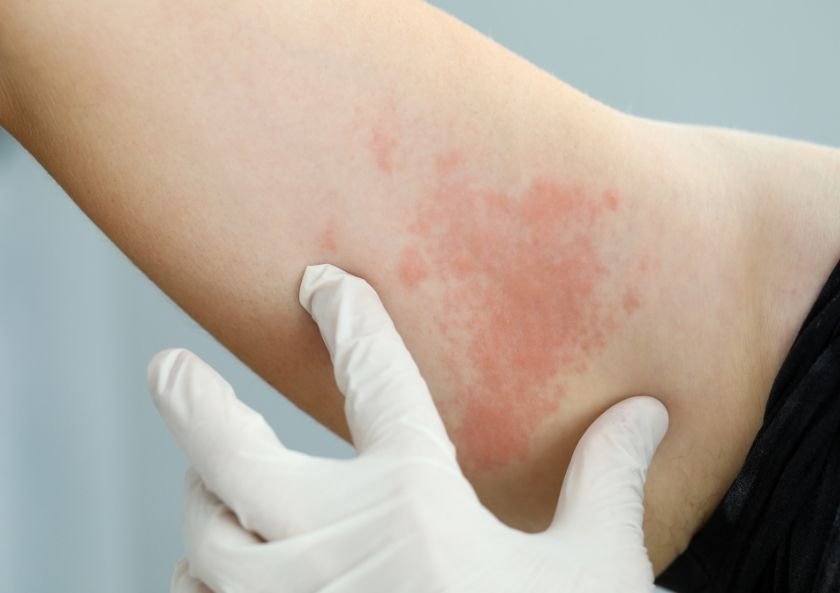
Living with Chronic Hives
Chronic hives can be frustrating, but with proper management, individuals can lead full and healthy lives. The key is consistent monitoring, avoiding known triggers, and staying in regular contact with your healthcare provider. According to the AAD, most chronic cases improve over time, and many patients eventually experience complete resolution.