Sa Honeymoon Namin sa Palawan, Narinig Kong Plano Akong Itulak ng Asawa Ko sa Dagat Para Makuha ang ₱16 Bilyon—Kaya Nagkunwari Akong Tulog sa Gamot
“Ngayong alas-dos, itutulak natin siya sa dagat. Kapag idineklara siyang patay, kay Adrian mapupunta ang halos ₱16 bilyon.”
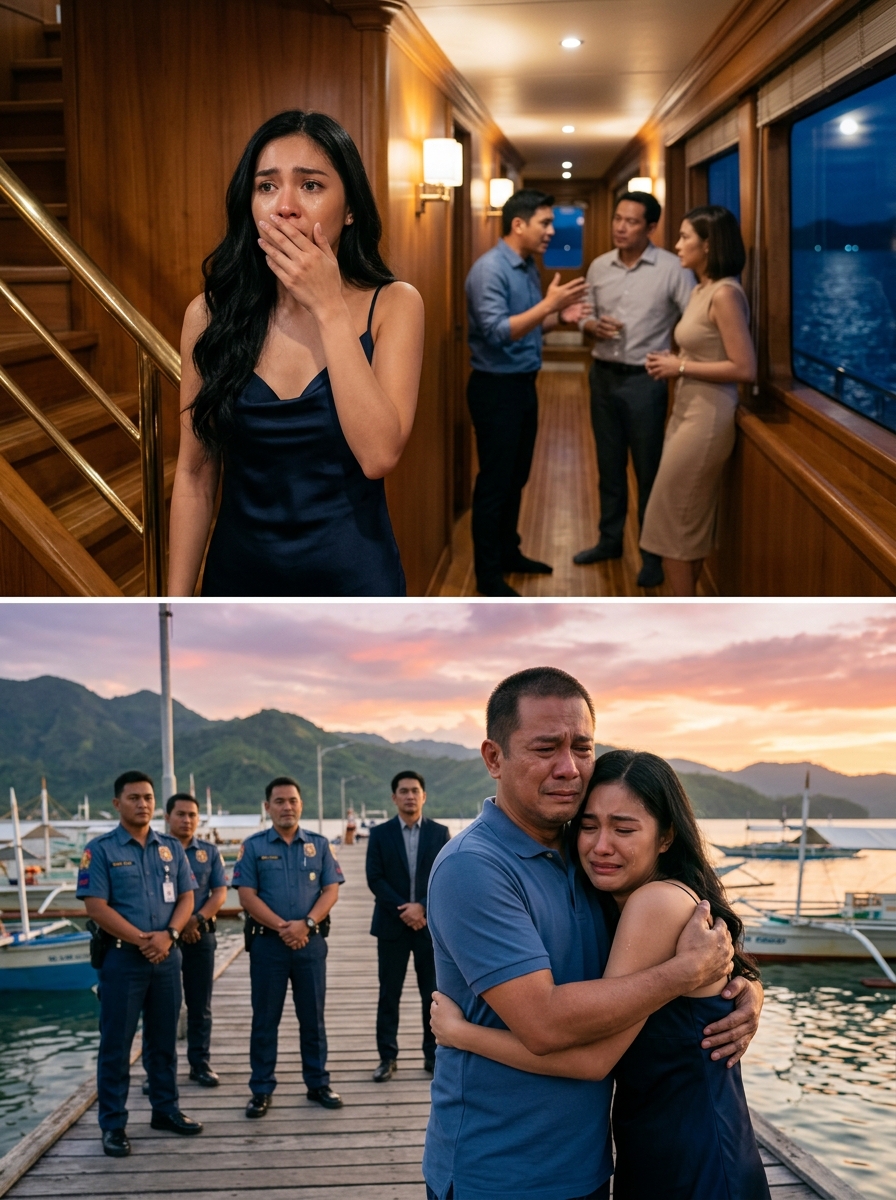
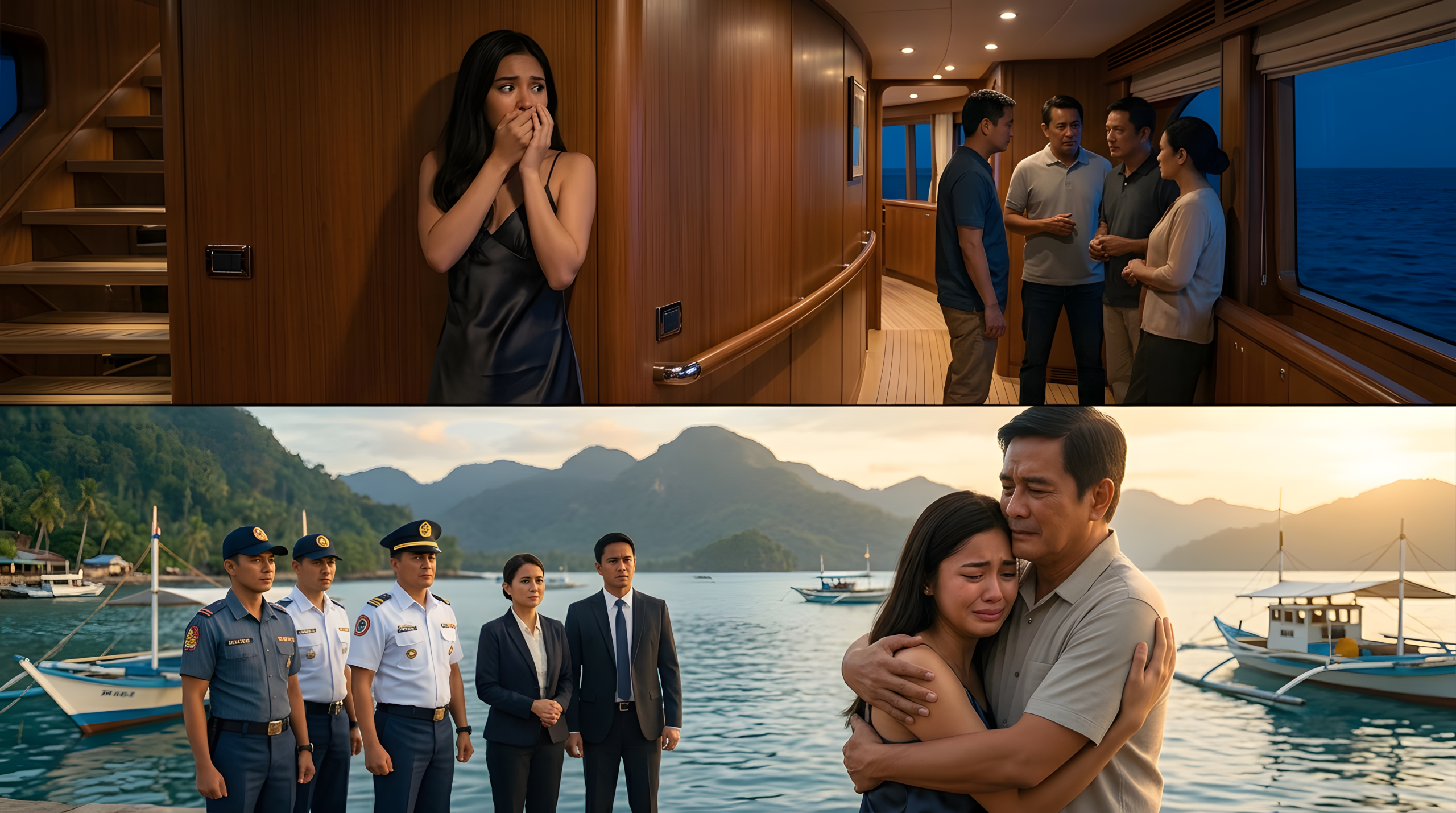
Napatigil si Mara Villanueva sa madilim na pasilyo ng yate.
Apat na gabi na siyang hilo, antukin, at halos hindi makalakad. Sa loob lamang ng ilang segundo, nalaman niyang hindi pala siya sinisikmura ng dagat.
Unti-unti pala siyang dinodroga ng sarili niyang asawa.
Pitong araw pa lang silang kasal ni Adrian de Vera. Para sa honeymoon, naglayag sila sakay ng pribadong yate mula Coron patungong El Nido. Akala ni Mara, iyon na ang pinakamasayang linggo ng buhay niya.
Sa unang gabi, nakaramdam siya ng matinding hilo. Pagsapit ng ikalawang gabi, halos hindi na niya maalala kung paano siya nakabalik sa kama.
Laging naroon si Adrian—may dalang tubig, malamig na tuwalya, at dalawang puting tableta.
“Anti-seasickness lang, mahal,” sabi nito. “Sabi ng medic, iinumin mo bago matulog.”
Hindi nagduda si Mara.
Anak siya ni Ramon Villanueva, nagtatag ng Villanueva Pacific Logistics. Nag-iisang anak siya at tagapagmana ng shares at trust assets na tinatayang halos ₱16 bilyon.
Pero si Adrian mismo ang nagmungkahi ng prenup.
“Ikaw ang pinakasalan ko, hindi ang pera mo.”
Iyon ang linyang nagpababa ng depensa ni Mara.
Hanggang gabing iyon.
Bumalik sana siya sa cabin para kunin ang cellphone niyang naiwan. Ngunit mula sa landing ng hagdan, narinig niya ang boses ng biyenan niyang si Beatriz.
“Sigurado ka bang hindi siya makakalaban?”
“Apat na araw ko na siyang binibigyan,” sagot ni Adrian. “Mamayang alas-dos, halos wala na siyang lakas. Sasabihin kong kailangan niya ng sariwang hangin. Sa aft deck ko siya dadalhin.”
“May paparating na ulan,” dagdag ng ama nitong si Cesar. “Mag-iwan ka ng isang tsinelas malapit sa railing.”
Mahinang nagtawanan ang tatlo.
Napakapit si Mara sa dingding.
Hindi aksidente ang hilo.
Hindi gamot ang mga tableta.
At hindi honeymoon ang biyahe.
Pinaghandaan nilang maging libing iyon.
“Paano ang papeles?” tanong ni Cesar.
“Handa na. May special power of attorney na may pirma niya. Ginaya ko. Kapag missing na siya, may oras tayong simulan ang transfer bago kumilos ang tatay niya.”
Tumawa si Beatriz.
“At isipin mong tinatawag pa niya akong ‘Mama.’”
Doon napapikit si Mara.
Namatay ang tunay niyang ina noong labinlimang taong gulang siya. Alam iyon ni Beatriz. Minsan pa nga, niyakap siya nito at sinabing, “Anak na rin kita.”
Ngayon, alam ni Mara kung gaano kasinungaling ang yakap na iyon.
Pero hindi pa pala iyon ang pinakamasama.
Muling nagsalita si Adrian.
“Pagkatapos nito, si Ramon naman.”
“Ano’ng balita sa mga tao mo?” tanong ni Cesar.
“Ready. Bibiyahe si Papa Ramon sa Martes. Isang preno lang na ‘pumalya,’ tapos na.”
Nawala ang hangin sa dibdib ni Mara.
Hindi lang siya ang target.
Pati ang ama niya.
Dahan-dahan siyang umatras bago siya marinig.
Pagdating sa cabin, isinara niya ang pinto at sumugod sa banyo. Nagsuka siya hanggang manginig ang tuhod.
Pagkatapos ay binuksan niya ang secret pocket sa maleta.
Bago ang kasal, binigyan siya ng ama niya ng maliit na keypad phone.
“Gamitin mo lang kapag dumating ang araw na pakiramdam mo, wala kang mapagkakatiwalaan sa paligid mo.”
Tinawanan iyon ni Adrian noon.
Ngayon, iyon ang tanging bagay sa yate na hindi nito alam.
Isang numero lang ang tinawagan ni Mara.
Sumagot agad si Atty. Gabriel Sarmiento, personal lawyer ng ama niya.
“Mara?”
“Attorney, huwag mo akong putulin,” bulong niya. “Plano akong patayin ni Adrian ngayong gabi. Kasama ang mga magulang niya. At gusto rin nilang ipapatay si Papa.”
Tatlong segundo ang lumipas.
“Nasaan kayo ngayon?”
Ibinigay ni Mara ang huling coordinates na nakita niya.
“Makinig ka,” sabi ni Gabriel. “Huwag ka nang iinom ng kahit anong ibigay nila. I-record mo lahat. Magkunwari kang mahina. Huwag mo silang harapin.”
“Sabihan mo si Papa.”
“Gagawin ko.”
Napapikit si Mara.
“Attorney… gusto kong mahuli sila habang ginagawa nila.”
Tahimik si Gabriel sandali.
“Kung gano’n, sundin mo nang eksakto ang sasabihin ko.”
Makalipas ang ilang minuto, pumasok si Adrian na may tubig at dalawang puting tableta.
“Inumin mo, mahal. Para mahimbing ang tulog mo.”
Isinubo ni Mara ang mga iyon, uminom, at ipinakitang walang laman ang bibig niya.
Nang lumabas si Adrian, inilabas niya mula sa pagitan ng gilagid at pisngi ang dalawang tableta.
Bandang 11:48 ng gabi, dumating ang mensahe ni Gabriel.
“Ligtas ang papa mo. Nakaayos na ang lahat. Gawin mo lang ang sasabihin ni Adrian.”
Inilagay ni Mara ang phone sa bulsa ng robe at pinagana ang recorder.
Alas-1:57 ng madaling-araw, bumukas ang pinto.
Pumasok si Adrian, nakaitim na jacket.
“Mahal, gising. Kailangan mo ng hangin.”
Dahan-dahang iminulat ni Mara ang mga mata.
Sa likod ni Adrian, nakatayo sina Cesar at Beatriz.
At habang nakatingin silang tatlo sa kanya, pare-pareho silang nakangiti.
PARTE2
“Mahal, kaya mo bang tumayo?” tanong ni Adrian.
Mahina lamang na umungol si Mara.
Hinawakan siya nito sa braso. Sa kabilang panig, inalalayan siya ni Beatriz na parang mapag-arugang biyenan.
“Kaunting hangin lang, anak,” bulong nito. “Gagaan ang pakiramdam mo.”
Kung hindi narinig ni Mara ang pag-uusap nila, baka naniwala pa rin siya.
Naglakad silang apat patungo sa likurang deck.
Malamig ang hangin. Madilim ang dagat. Sa malayo, kumikislap ang kidlat sa ibabaw ng Palawan at umiindayog ang yate sa alon.
Napansin ni Mara ang isang tsinelas malapit sa pinto.
Kanya iyon.
Inihanda na nila ang eksena.
“Dito ka muna,” sabi ni Adrian.
Inakay siya nito hanggang sa railing.
Nagkunwari si Mara na halos hindi makatayo. Nakayuko ang ulo niya, pero gumagana ang recorder sa bulsa ng robe.
Lumapit si Cesar.
“Sigurado ka bang sapat ang nainom niya?”
“Oo,” sagot ni Adrian. “Kahit sumigaw ’yan, mahina na ang boses.”
“Bilisan natin,” sabi ni Beatriz. “Ayokong abutan tayo ng crew.”
Doon dahan-dahang itinaas ni Mara ang mukha.
“Bakit?”
Natigilan ang tatlo.
“Bakit kailangan n’yo akong patayin?”
Parang nawala ang kulay sa mukha ni Adrian.
“Mara?”
Umayos siya ng tayo.
“Akala mo ba nilunok ko ang mga tableta?”
Mabilis na napatingin si Cesar sa pinto. Si Beatriz naman ay umatras.
Si Adrian ang unang nakabawi.
“Hindi ko alam kung ano’ng narinig mo, pero—”
“Lahat.”
Kinuha ni Mara ang maliit na phone mula sa robe.
“Pati ang pekeng SPA. Pati ang plano n’yo kay Papa. Pati ang tsinelas para magmukhang aksidente.”
Biglang tumigas ang mukha ni Adrian.
Nawala ang lalaking minahal niya.
“Kanino ka tumawag?” malamig nitong tanong.
Hindi sumagot si Mara.
Tumakbo si Cesar papunta sa pinto, pero bago niya maabot iyon, nagsara ang electronic lock.
Mula sa speaker sa kisame, narinig ang boses ng kapitan.
“Mr. De Vera, manatili po kayo sa deck.”
Napalingon silang lahat.
Sa malayo, biglang lumitaw ang dalawang malalakas na puting ilaw.
Searchlights.
Ilang segundo pa, umalingawngaw ang boses mula sa dagat.
“Philippine Coast Guard! Remain where you are!”
Namutla si Beatriz.
Ngunit sa halip na sumuko, hinablot ni Adrian si Mara.
Kinaladkad siya nito papunta sa railing.
“Kapag bumagsak siya, wala pa rin kayong patunay!” sigaw nito.
“Adrian!” sigaw ni Beatriz.
May mga yabag nang papalapit mula sa kabilang dulo ng deck.
Pero desperado si Adrian.
“Kung hindi ko makukuha ang pera, wala ring makakakuha!”
At itinulak niya si Mara.
Humampas ang malamig na tubig sa katawan niya.
Sa isang segundo, wala siyang makita kundi itim na dagat at bula.
Pagkatapos ay may malakas na hatak sa baywang niya.
Lumobo ang manipis na emergency flotation belt na isinusuot niya sa ilalim ng robe.
Iyon ang huling bilin ni Gabriel sa kasunod na mensahe: hanapin ang orange emergency belt sa compartment sa ilalim ng kama, isuot nang palihim, at huwag tanggalin.
Kasabay nito, dalawang Coast Guard rescue swimmers ang lumapit mula sa maliit na rescue boat na nakaposisyon sa madilim na bahagi ng yate.
“Mam, hawak namin kayo!”
Napahagulgol si Mara.
Hindi dahil takot na siyang mamatay.
Kundi dahil alam niyang hindi na siya mamamatay sa gabing iyon.
Pag-akyat niya sa rescue boat, nakita niyang nakaluhod na sa deck sina Cesar at Beatriz.
Si Adrian ay nakadapa at nakaposas.
Pagsapit nila sa Puerto Princesa kinabukasan, naghihintay na ang mga imbestigador ng NBI, kasama si Atty. Gabriel Sarmiento.
At sa likod nito ay isang lalaking halos tumakbo nang makita siya.
“Anak!”
“Papa…”
Niyakap siya ni Ramon nang mahigpit.
Doon tuluyang bumigay si Mara.
Buong gabi niyang pinigilan ang takot. Buong gabi niyang pinilit ang sarili na huwag umiyak, huwag sumigaw, huwag tumakbo.
Pero sa dibdib ng ama niya, muli siyang naging anak na muntik mawalan ng lahat.
“Akala ko ikaw ang susunod,” umiiyak niyang sabi.
“Hinding-hindi nila ako naabot,” sagot ni Ramon.
Ipinaliwanag ni Gabriel ang nangyari.
Pagkatapos ng tawag ni Mara, agad niyang kinontak ang Coast Guard at NBI. Nakipag-coordinate rin siya sa kapitan ng yate, na walang alam sa plano. Samantala, kinansela ni Ramon ang biyahe niya noong Martes.
Nang imbestigahan ang sasakyang nakahanda sana para sa kanya, may nakita ring malinaw na pakikialam sa brake system.
Mas lumala pa nang ma-search ang cabin nina Cesar at Beatriz.
May mga forged documents.
May litrato ng pirma ni Mara.
May screenshots ng account structures ng Villanueva family.
At may chat thread sa pagitan ni Adrian at isang lalaking binayaran upang “ayusin ang sasakyan” ni Ramon.
Ngunit may isang bagay na hindi alam ng pamilya De Vera.
Hindi kailanman kayang ilipat ni Adrian ang ₱16 bilyon gamit ang pekeng SPA.
Ang family trust ni Mara ay may ilang antas ng proteksiyon. Kahit mawala o mamatay siya, hindi maaaring galawin ng asawa ang principal assets nang walang approval ng independent trustee at board.
Napatingin si Mara kay Gabriel.
“Kung gano’n… bakit nila ako papatayin?”
“Dahil gusto nilang gamitin ang pagkawala mo, pagkatapos ang pagkamatay ng papa mo, para guluhin ang succession at kontrolin ang operating companies habang inaaway sa korte ang estate.”
Hindi pala simpleng pagnanakaw ang plano.
Corporate takeover iyon na tinakpan ng dalawang “aksidente.”
Tatlong araw matapos ang insidente, hinarap ni Mara si Adrian sa detention facility habang naroon ang abogado nito.
Hindi siya pumunta para humingi ng paliwanag.
Gusto niyang makita kung kaya pa nitong magsinungaling.
Pagpasok niya, tahimik si Adrian.
Wala na ang mamahaling relo at kumpiyansang laging dala nito.
“Mara,” sabi nito. “Hindi dapat umabot sa ganito.”
“Hanggang saan lang dapat?”
“Pinilit ako ng mga magulang ko.”
Napangiti si Mara, pero walang saya.
“Kanino galing ang ideya na araw-araw akong painumin?”
Hindi sumagot si Adrian.
“Kanino galing ang pekeng pirma?”
Tahimik pa rin.
“Kanino galing ang plano kay Papa?”
Yumuko ito.
At doon nakuha ni Mara ang sagot na kailangan niya.
Hindi inosenteng anak si Adrian na nadala ng magulang.
Kasama siya mula simula.
“Minahal kita,” sabi ni Mara. “Kaya hindi ko tiningnan ang mga bagay na dapat kong tinanong.”
“Mara, please—”
“Hindi pera ang pinakamalaking ninakaw mo sa akin.”
Napatingin si Adrian.
“Kinuha mo ang tiwala ko. Ginamit mo ang pagkamatay ng mama ko para mapalapit sa akin ang nanay mo. Ginawa n’yong sandata ang bagay na pinakamatagal kong hinahanap—isang pamilya.”
Napaiyak si Adrian.
Pero sa unang pagkakataon, walang naramdaman si Mara sa mga luha nito.
Tumayo siya.
“Bahala na ang korte sa kasal natin. Pero sa buhay ko, tapos ka na.”
“Mara!”
Hindi siya lumingon.
Makalipas ang ilang buwan, tuloy ang kaso laban kina Adrian, Cesar, at Beatriz. Ang recording ni Mara, mga dokumentong nakuha sa yate, at imbestigasyon sa sasakyan ni Ramon ang naging sentro ng prosekusyon.
Hindi agad bumalik si Mara sa dating buhay.
Nagigising pa rin siya minsan sa madaling-araw na parang naririnig ang hampas ng alon. Matagal bago niya muling nagawang sumakay ng bangka.
Pero halos isang taon matapos ang honeymoon na muntik maging libing niya, bumalik sila ni Ramon sa Palawan.
Hindi sa malaking yate.
Sa maliit na bangka lang.
Nang makarating sila sa tahimik na bahagi ng dagat, pinatay ng bangkero ang makina.
Tumingin si Mara sa asul na tubig.
Dati, iyon ang lugar na muntik maging huling tanawin niya.
Ngayon, naroon siya bilang taong nakaligtas.
“Takot ka pa?” tanong ng ama niya.
Tumango siya.
“Oo.”
“Gusto mo nang bumalik?”
Umiling si Mara.
“Hindi. Gusto ko lang matutong hindi hayaang ang takot ang pumili para sa akin.”
Hinawakan ni Ramon ang kamay niya.
At sa unang pagkakataon mula nang gabing iyon, tumingin si Mara sa dagat nang hindi iniisip kung sino ang gustong magtulak sa kanya.
Inisip niya kung gaano kalawak ang mundong naghihintay pa sa kanya.
May mga taong napakahusay magpanggap na pagmamahal ang kanilang intensiyon. Kaya ang tiwala ay hindi dapat ibinibigay dahil lamang maganda ang salita, malambing ang kilos, o tinatawag tayong “pamilya.”
Ang tunay na pagmamahal ay hindi humihingi ng bulag na pagsunod at hindi ginagamit ang kahinaan natin laban sa atin.
At kung dumating ang araw na may maliit na boses sa loob mong nagsasabing may mali, huwag mo itong patahimikin para lang mapanatili ang isang relasyong maganda sa paningin ng iba.
Minsan, ang pagligtas sa sarili ay nagsisimula sa isang tahimik na desisyon: maniwala sa sariling kutob, humingi ng tulong, at piliing mabuhay.