Understanding your fertile window is key if you’re trying to get pregnant—or avoid it. Many people ask: how many days after your period is your fertile window? The answer depends on your cycle length, but there are some general guidelines that can help.
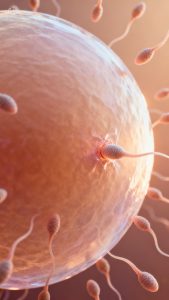
First, let’s define the fertile window. This is the time during your menstrual cycle when pregnancy is most likely to happen. It includes the day of ovulation (when your ovary releases an egg) and the five days before it. This is because sperm can live inside the female body for up to 5 days, while the egg only survives for about 12–24 hours after ovulation.
Now, to figure out when this happens after your period, you need to understand your cycle. A typical menstrual cycle lasts about 28 days, but it can range from 21 to 35 days in adults. Day 1 of your cycle is the first day of your period.
In a standard 28-day cycle, ovulation usually occurs around day 14. That means your fertile window would likely fall between days 9 and 14. If your period lasts about 5 days, your fertile window begins roughly 4 to 5 days after your period ends.
However, not everyone has a 28-day cycle. If your cycle is shorter, say 24 days, ovulation may happen earlier—around day 10. In that case, your fertile window could start just a few days after your period finishes. On the other hand, if your cycle is longer, like 32 days, ovulation might occur around day 18, and your fertile window would begin later.
Because of these variations, a simple rule like “X days after your period” doesn’t apply to everyone. That’s why tracking your cycle is important. You can do this by marking the first day of your period each month and counting the total number of days until your next period starts.
There are also physical signs that can help you identify your fertile window. One of the most noticeable is changes in cervical mucus. As you approach ovulation, the mucus often becomes clear, stretchy, and slippery—similar to egg whites. This type of mucus helps sperm move more easily toward the egg.
Some people also track their basal body temperature (your temperature at rest). After ovulation, your temperature rises slightly. While this doesn’t predict ovulation in advance, it can help you understand your cycle pattern over time.
It’s important to remember that cycles can vary from month to month due to stress, illness, travel, or hormonal changes. So even if you usually ovulate at a certain time, it might shift occasionally.
In summary, your fertile window typically begins a few days after your period ends, but the exact timing depends on your cycle length. For many people, it starts around 4–7 days after their period, but tracking your own cycle and body signs will give you the most accurate answer.