The Short Life of an Egg: What Every Woman Should Know
Have you ever wondered how long an egg actually lives? It’s one of the most important yet misunderstood parts of the female reproductive cycle.
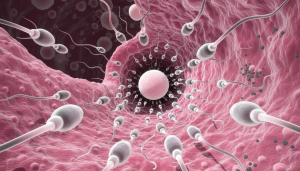
Each month, during a process called ovulation, one of the ovaries releases a mature egg. This egg begins its journey through the fallopian tube, where it may meet sperm and become fertilized. But here’s the surprising part — the egg doesn’t last very long at all.
Once released, an egg typically survives for only about 12 to 24 hours. That’s right — just one day. If fertilization doesn’t happen within that short window, the egg simply breaks down and is absorbed by the body.
This brief lifespan is why timing plays such a crucial role in pregnancy. Even though the egg lives for just a day, sperm can survive inside the female body for up to 5 days. This creates what is known as the “fertile window,” which includes the days leading up to ovulation and the day of ovulation itself.
So, even if intercourse happens a few days before ovulation, pregnancy is still possible because sperm may still be alive when the egg is released.
Understanding this timing can be helpful whether you’re trying to conceive or avoid pregnancy. Many people assume the fertile period lasts much longer than it actually does, but in reality, it’s a relatively short and specific timeframe.
It’s also important to remember that every woman’s cycle can be different. Factors like stress, health, and hormonal changes can affect exactly when ovulation occurs, making it a bit tricky to predict without tracking.
In simple terms:
- The egg lives 12–24 hours
- Sperm can live up to 5 days
- The fertile window is usually about 5–6 days total
Knowing how this works gives you a better understanding of your body and helps you make more informed decisions about your reproductive health.